
Following on from yesterdays blog about who made babyloss a competition I trawled through a select few social media accounts, blogs and forums and came across some more interesting points.
At NAYELY ADELPHA FOUNDATION we don’t solely focus on loss in pregnancy, we don’t focus on neo-natal or post neo-natal death, we feel we can offer more than that.
We try to support people at all stages of loss, and whilst our main aim is to roll out sibling support following loss we appreciate that everyone suffers following the death of a family member.
So back to yesterdays blog. It seems like it struck more than a few nerves on social media. Although I’m not sure everyone truly understood the sentiment of the piece.
Rather than focusing on specific stages of baby loss we feel baby loss should be equally represented.
If you lost your baby in the first weeks of your pregnancy or many years after the baby had been born, they were still your baby.
But apparently we are wrong for feeling this way. Apparently baby loss is a competition. It’s just not in the way I though it was. It would appear when we are talking about loss during or shortly after pregnancy that grief is measured on a sliding scale. This is what becomes apparent if you read ALOT online.
We have had messages from people who have lost their children to suicide, they have watched their babies grow into men and women. They have watched them flourish and then had them taken away again. Are their losses any less meaningful than someone who loses a baby during pregnancy or shortly afterwards? The answer is NO. They still lost their baby. Even if their baby was 30 years old.
Below are a list of recognised terms for losses during pregnancy. Please let us know how you would determine who’s grief is worse.
1
Chemical Pregnancy
Despite the name, a chemical pregnancy is not a false pregnancy or a false positive on a pregnancy test. In fact, it’s a very early miscarriage. Doctors believe chemical pregnancies are usually caused by chromosomal abnormalities.
You may be surprised to learn that some women who have a chemical pregnancy never even knew they were pregnant, as the bleeding from the pregnancy loss often occurs around the same time as a woman’s period. That being said, home pregnancy tests are so good now at detecting hCG levels, that many women often find out that they’re pregnant very early.
2
Ectopic Pregnancy
Ectopic pregnancies happens when a fertilized egg implants someplace other than in the uterus, such as in one of the fallopian tubes. Sometimes risk factors exist, but other times the cause is unknown. Symptoms of an ectopic pregnancy may include severe abdominal cramping, bleeding and dizziness. If undetected ectopic pregnancies can be fatal for mother and baby.
3
First-Trimester Miscarriage
First-trimester miscarriage, sometimes called spontaneous abortion, is very common but also heartbreaking. It’s normal to have a lot of questions about signs of miscarriage, diagnosis, miscarriage causes, treatment, and risk factors.
4
Blighted Ovum
A blighted ovum is a miscarriage in which the baby doesn’t develop, but a gestational sac continues to grow, and you may continue to experience pregnancy symptoms. A blighted ovum can be a missed miscarriage treated with a dilation and curettage, also known as a D&C, or it may end naturally.
5
Missed Miscarriage
A missed miscarriage is a pregnancy loss, usually in the first trimester, in which the doctor diagnoses the miscarriage based on lab results or other clinical evidence, but you haven’t had definite miscarriage symptoms like bleeding or cramping.
6
Molar Pregnancy
Molar pregnancy is a rare condition that causes pregnancy tissue to overgrow and the fetus doesn’t develop normally. Molar pregnancies never develop normally. The cause is a chromosomal abnormality that occurs at the time of fertilization. This type of pregnancy requires close follow-ups after treatment.
7
Second-Trimester Miscarriage
Late miscarriages, such as those in the second trimester, can happen for a number of reasons. Some of these causes might be chromosomal abnormalities, cervical insufficiency, congenital birth defects, placental problems, or other factors.
8
Preterm Delivery From Cervical Insufficiency
Incompetent cervix, or cervical insufficiency, is a medical condition in which the cervix dilates too early in the pregnancy, resulting in pregnancy loss or premature birth. Risk factors for cervical insufficiency include having had a dilation and curettage (D&C), genetic disorders, and cervical trauma.
9
Stillbirth
Stillbirth is the death of a baby in the womb before birth. Potential causes and contributing factors to stillbirth include infection, placenta problems, birth defects, pregnancy complications, high blood pressure in the mother, umbilical cord issues, and maternal medical complications.
10
Neonatal Infant Loss
Neonatal infant loss or death refers to the loss of a newborn baby younger than 28 days old, which can be considered a pregnancy loss. The most frequent causes of neonatal infant loss are prematurity and birth defects.
11
Termination of a Desired Pregnancy for Medical Reasons
Selective abortion is a divisive issue and a delicate matter for parents to consider when prenatal screening results in the diagnosis of a severe chromosomal condition with a poor medical prognosis.
Then of course we have post neo-natal death, childhood death due to illnesses, children born with life limiting diseases, accidents, suicides.
Why are any of these deaths not acknowledged in the same way. Whenever anyone dies, that person is someones son or daughter. Just remember that.
Whilst we are delighted that people have started to quote some of our work it takes the edge off when they question whether babyloss is a competition by making it a competition.
If you feel like your cause is bigger than everyone else’s or isn’t being given the coverage it deserves then make yourself heard.
But if you make the claim that you want to help everyone, then please help EVERYONE.
Everybody grieves differently, that is that persons right. Noone has the right to decide how much someone else should be hurting.
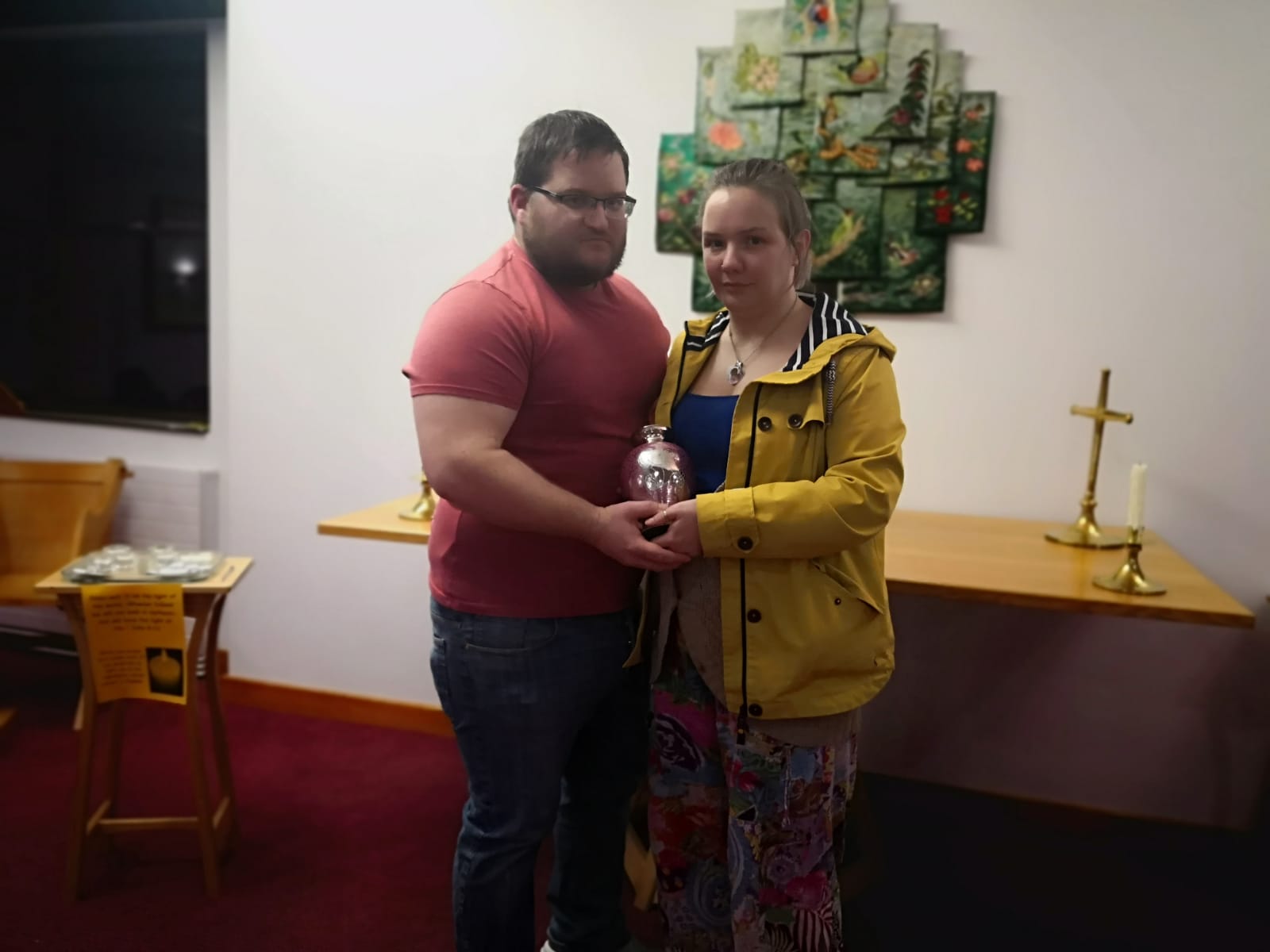
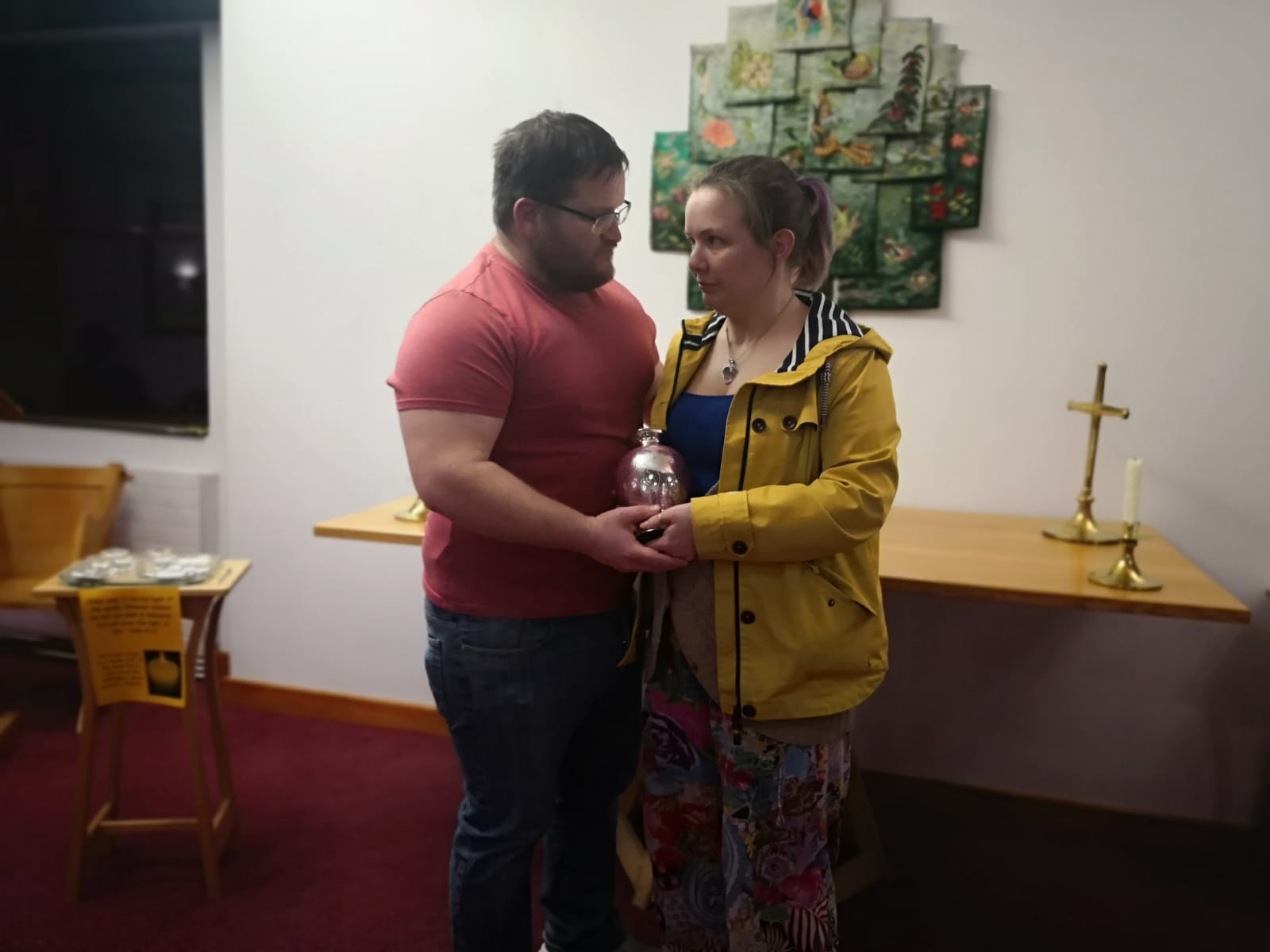
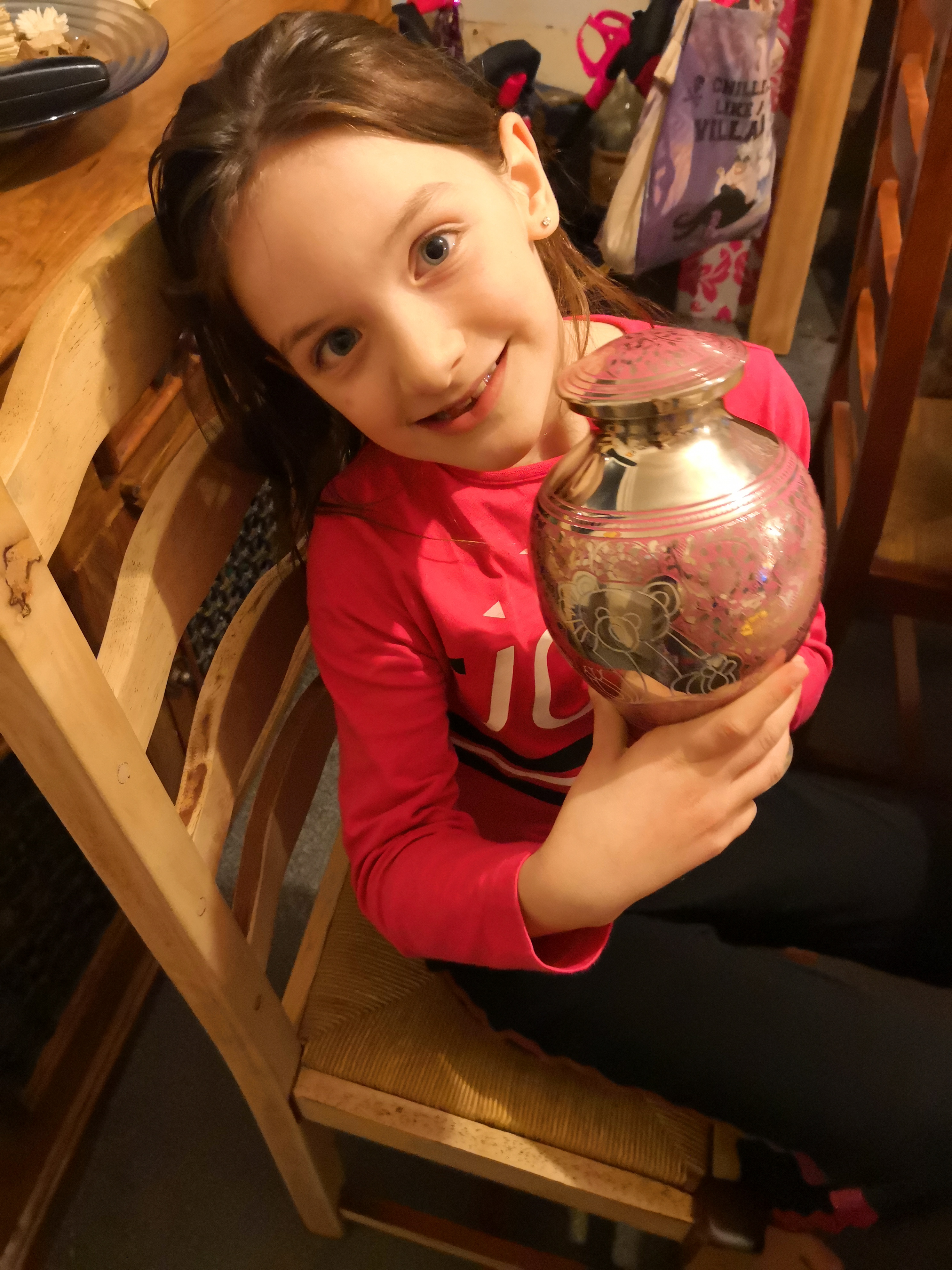
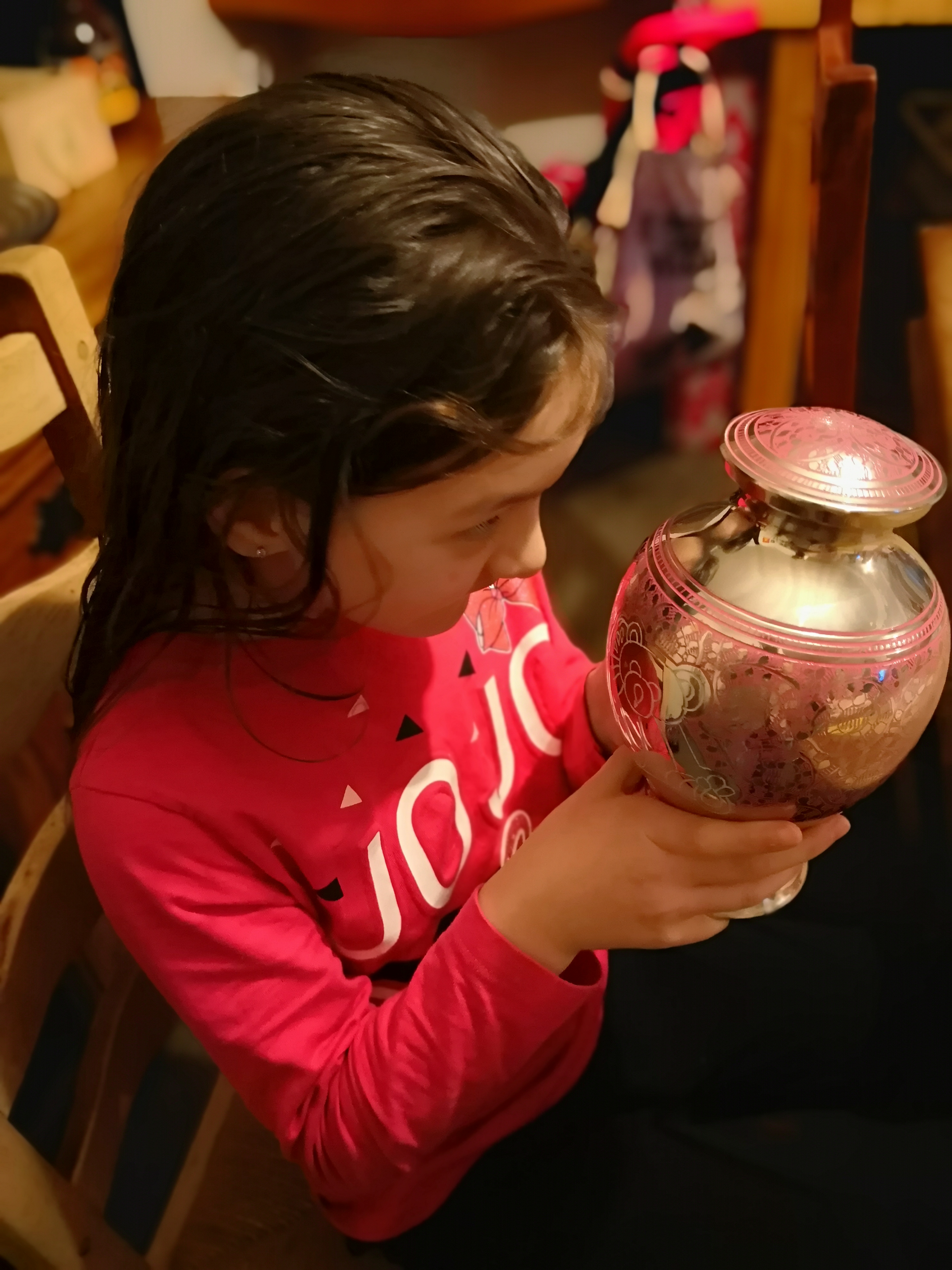
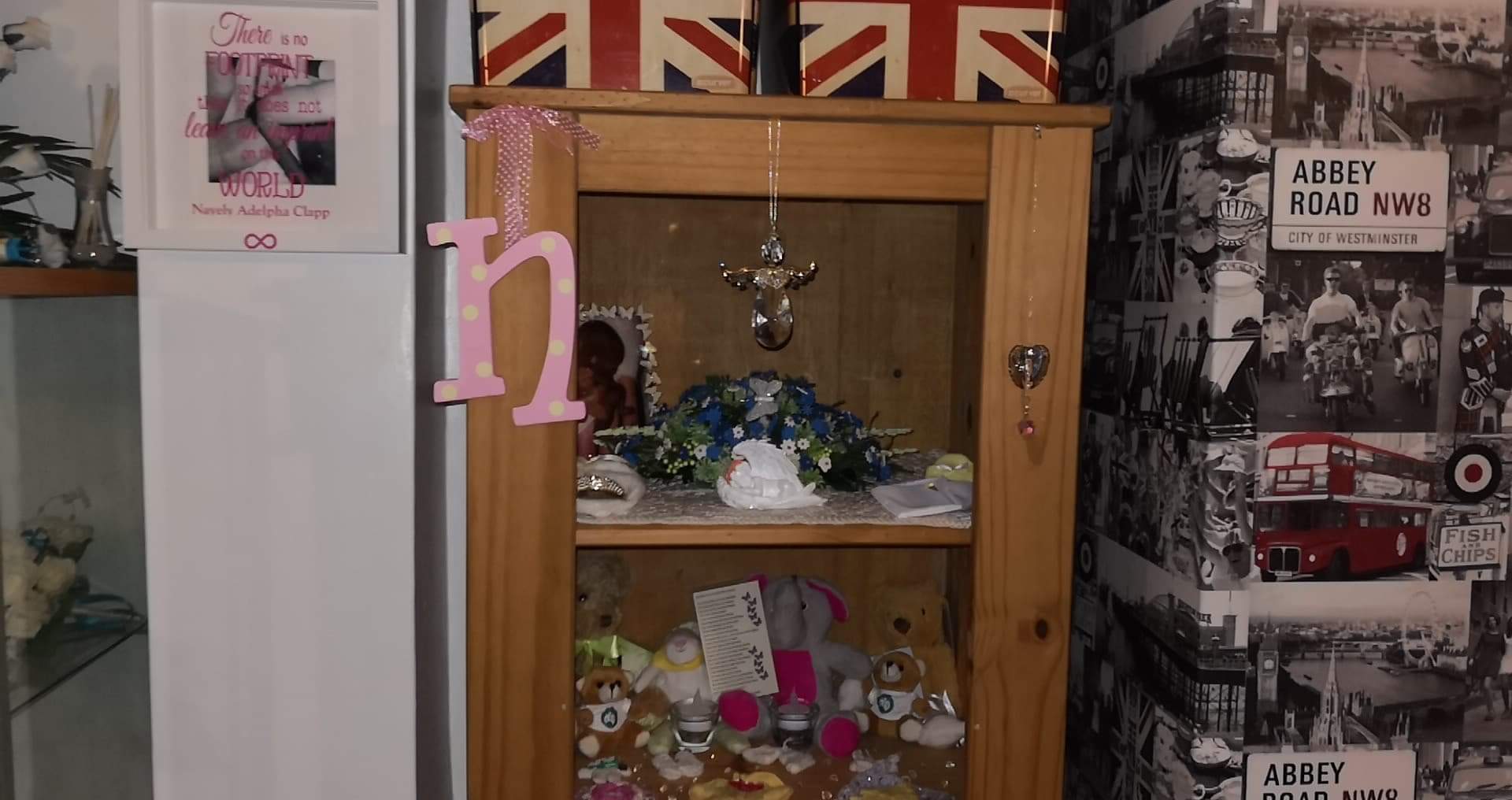
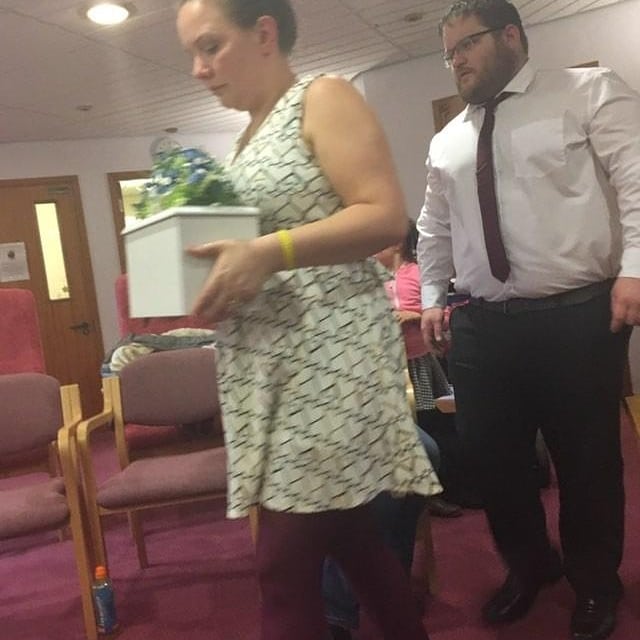
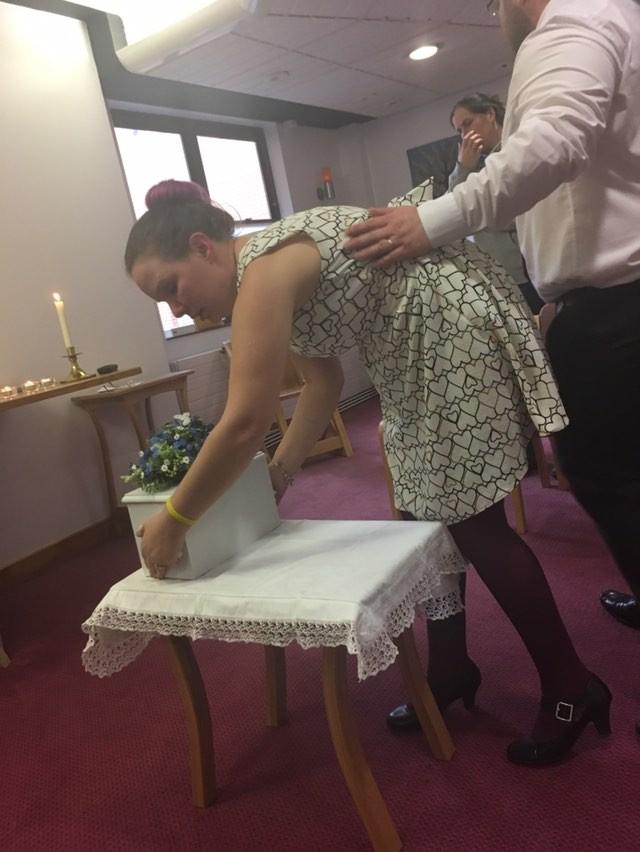
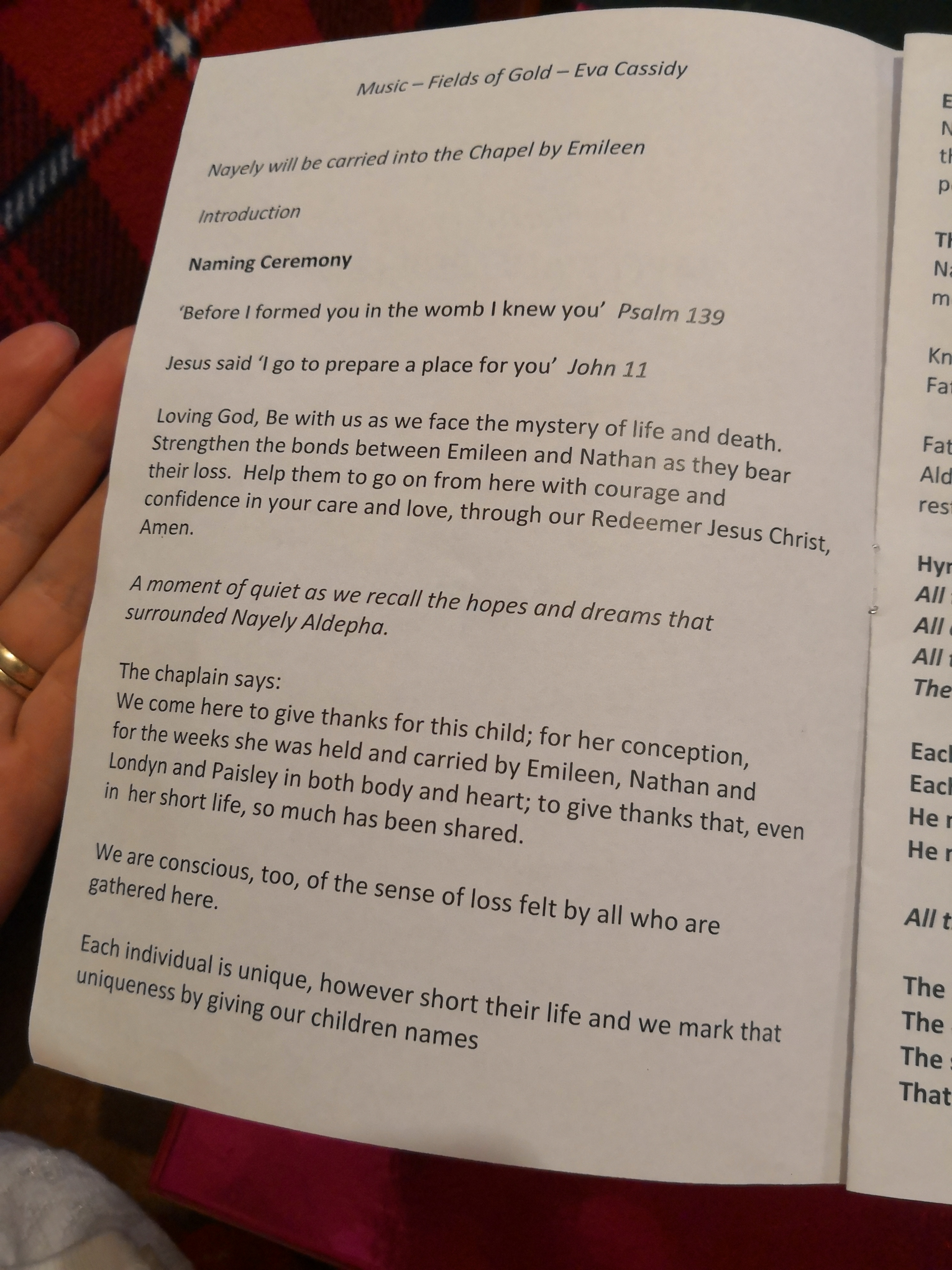
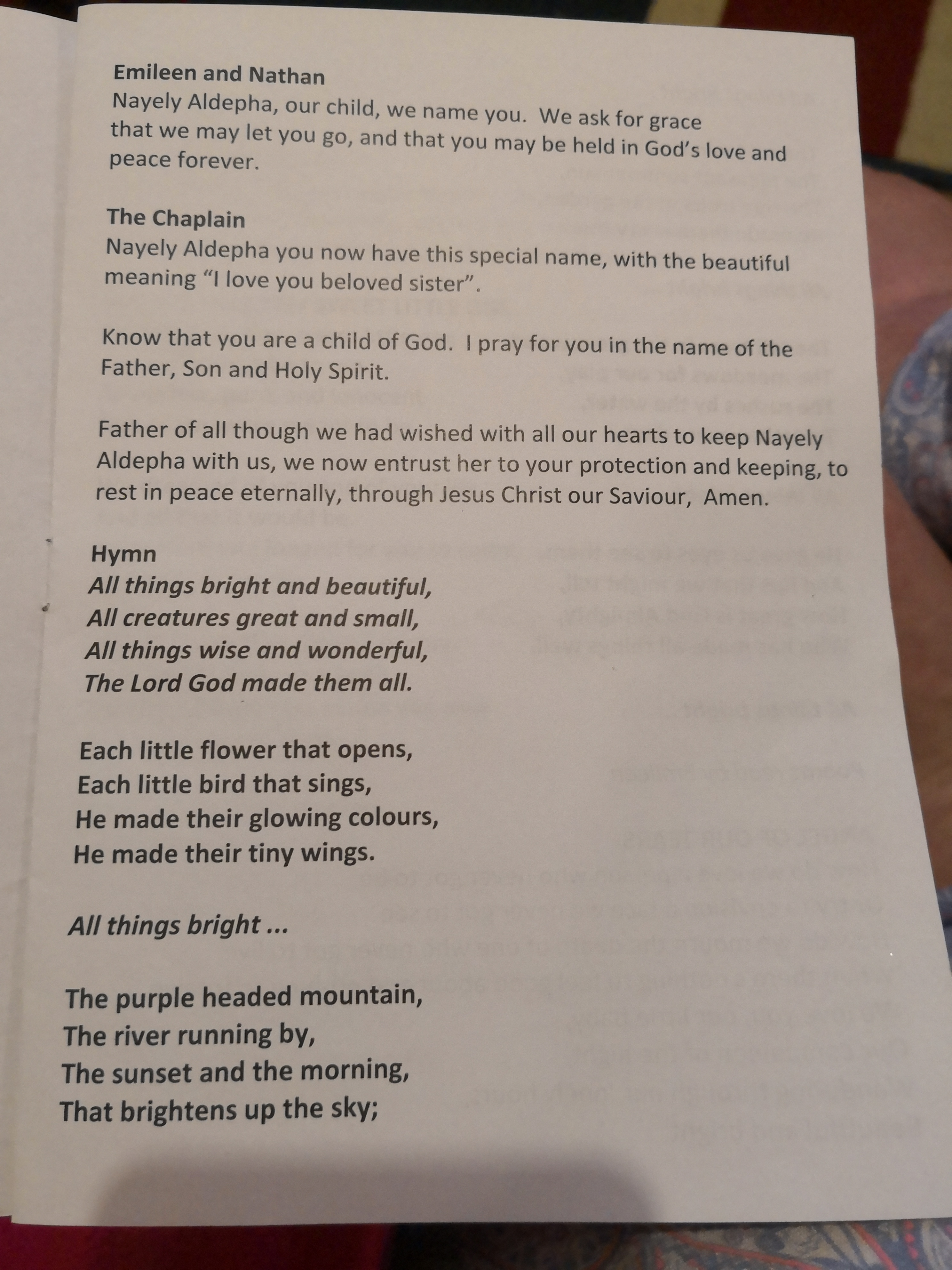
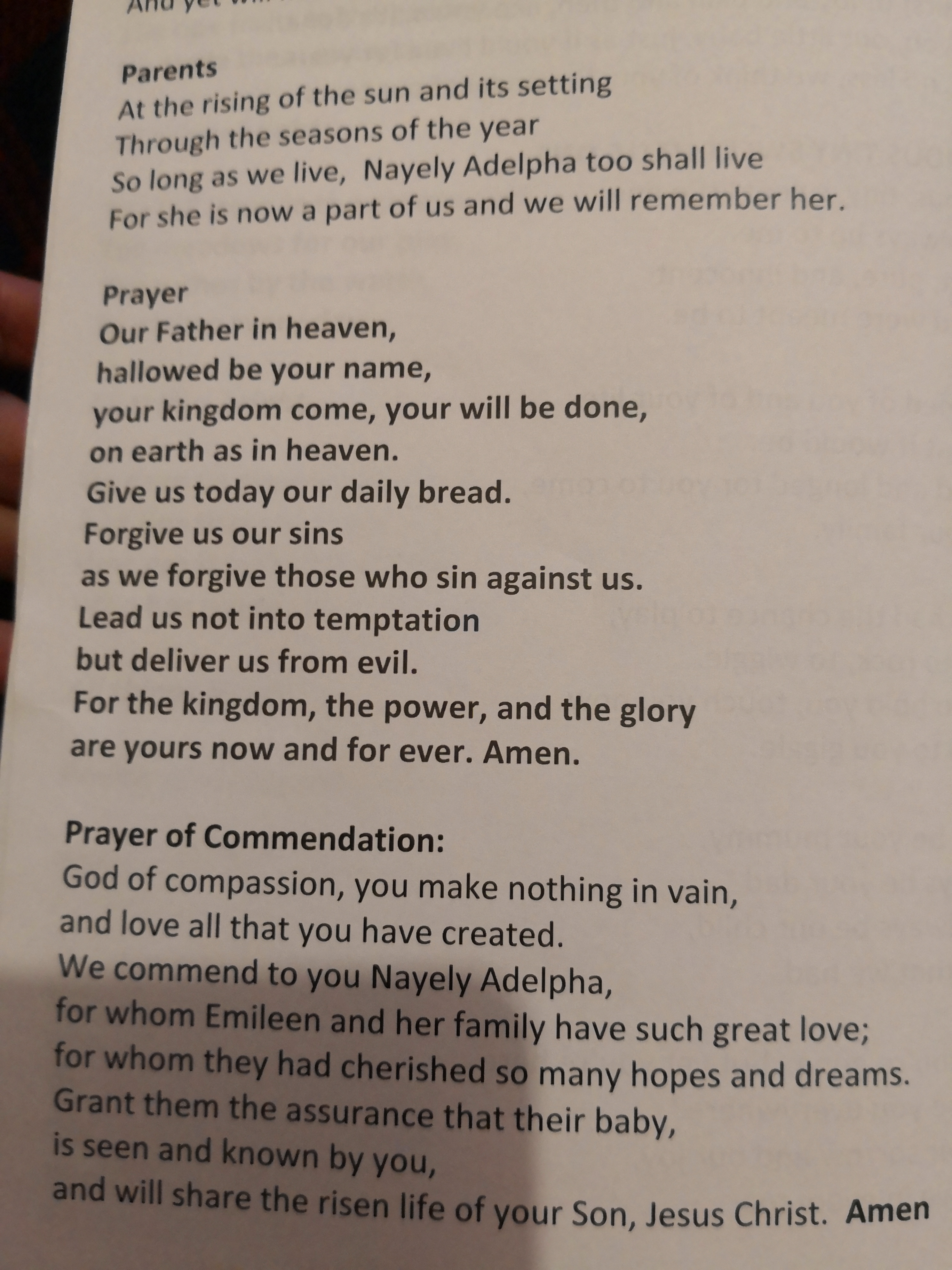
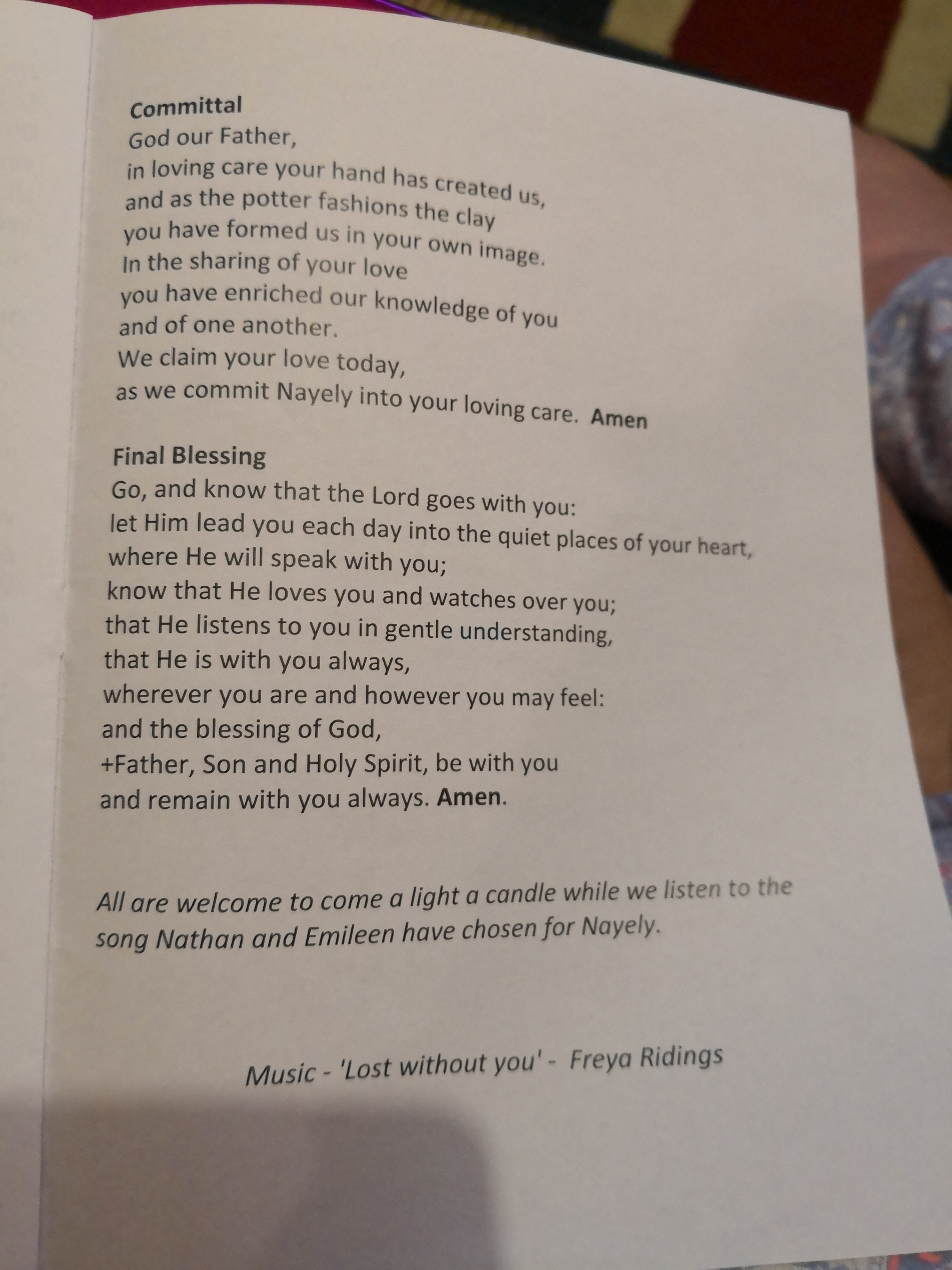
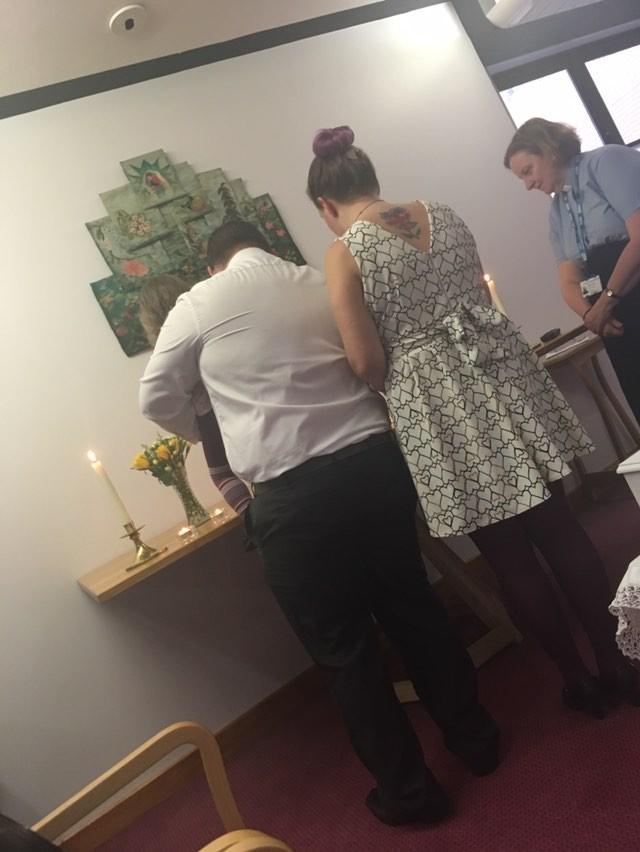
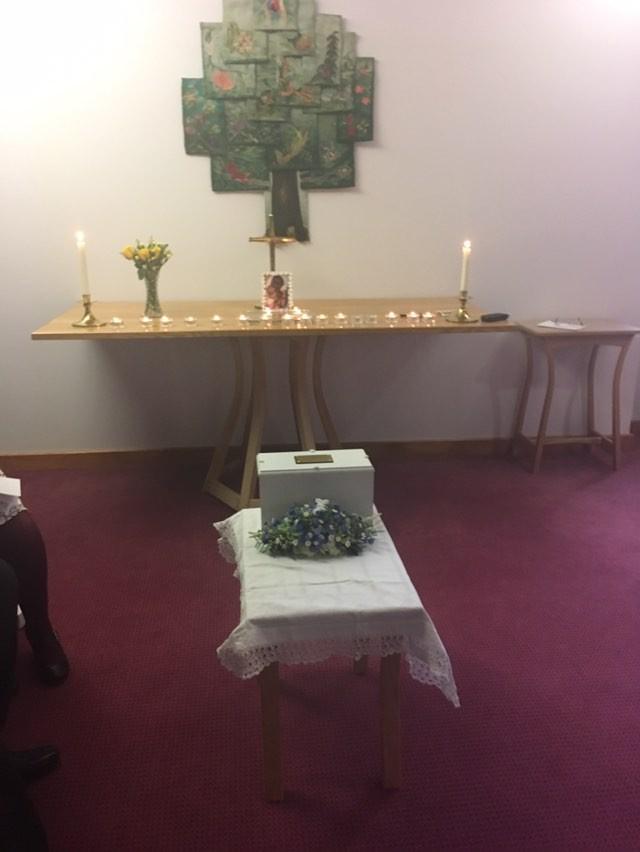
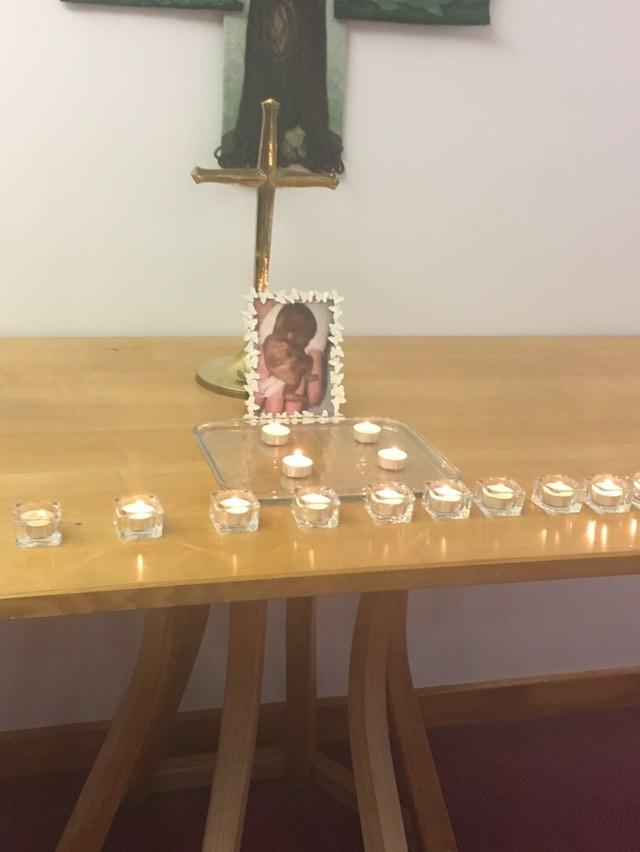
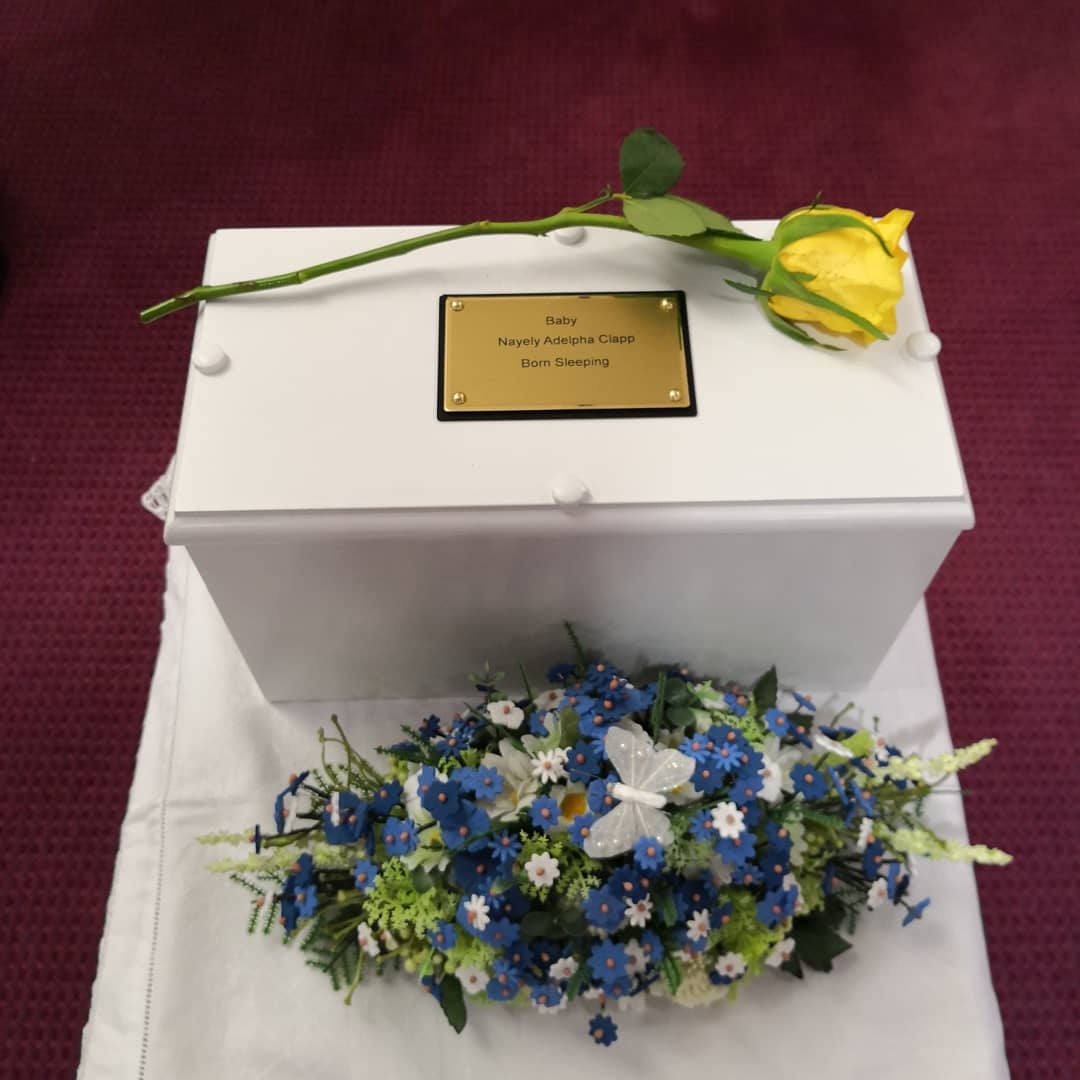
If you have followed us from the beginning you will know that we didn’t want Nayely to be defined as ‘just a miscarriage’
SHE IS OUR BABY!
BABY LOSS IS NOT A COMPETITION. PLEASE REMEMBER THAT.























 Nayely Adelpha Foundation